Building a Self-Sustaining Future for Sport and Recreation on the Peninsula
Across the Dampier Peninsula, Garnduwa is seeing what consistent, community-led sport and recreation can unlock when local people are supported to lead.
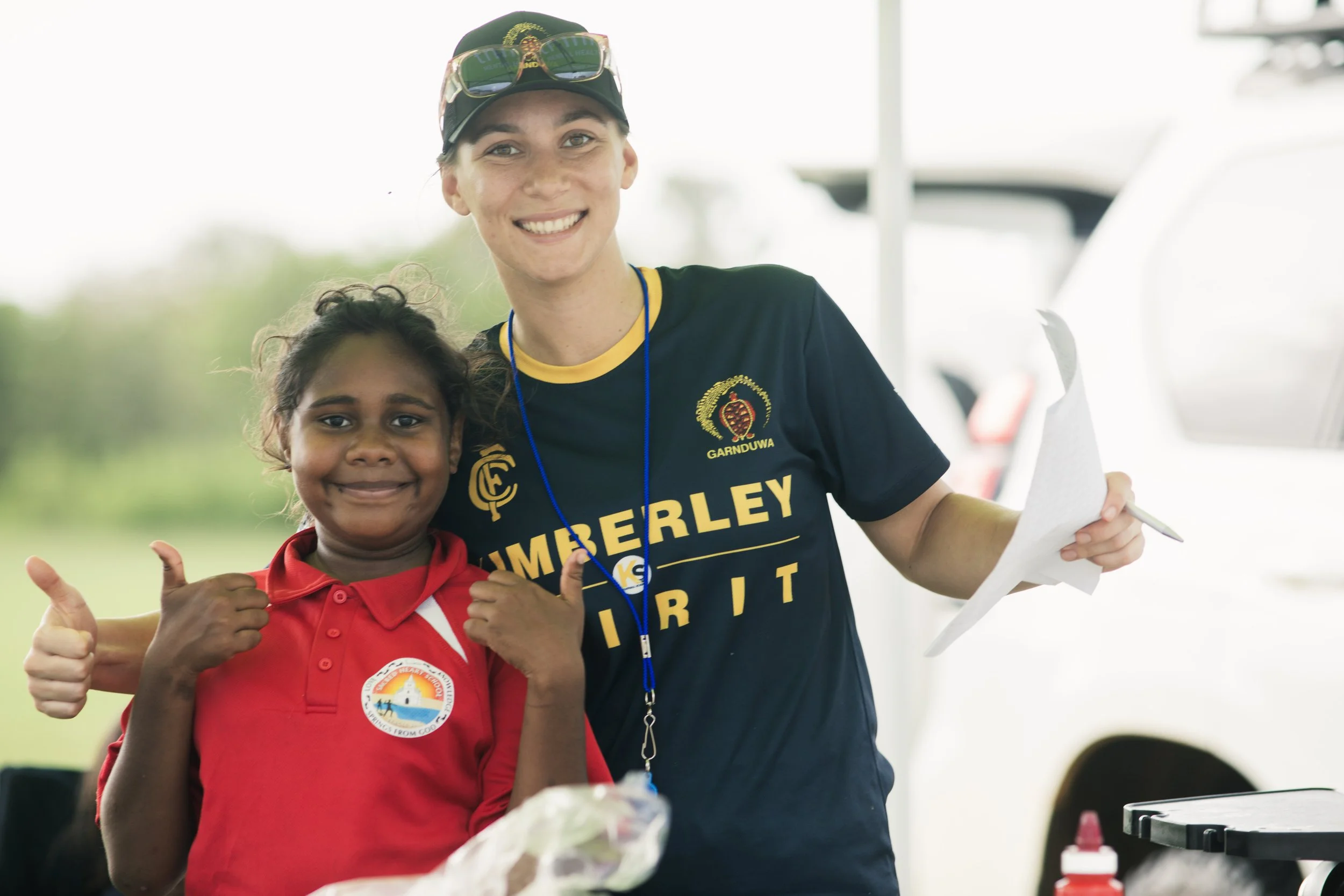
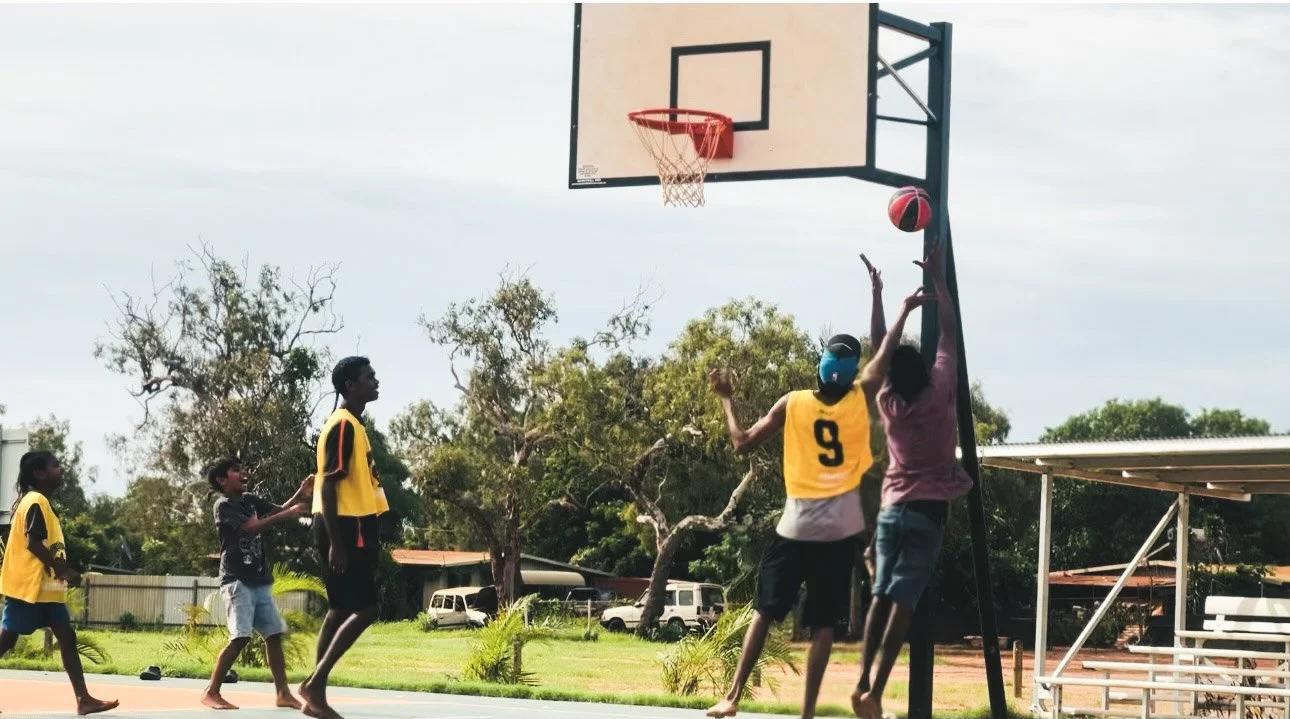
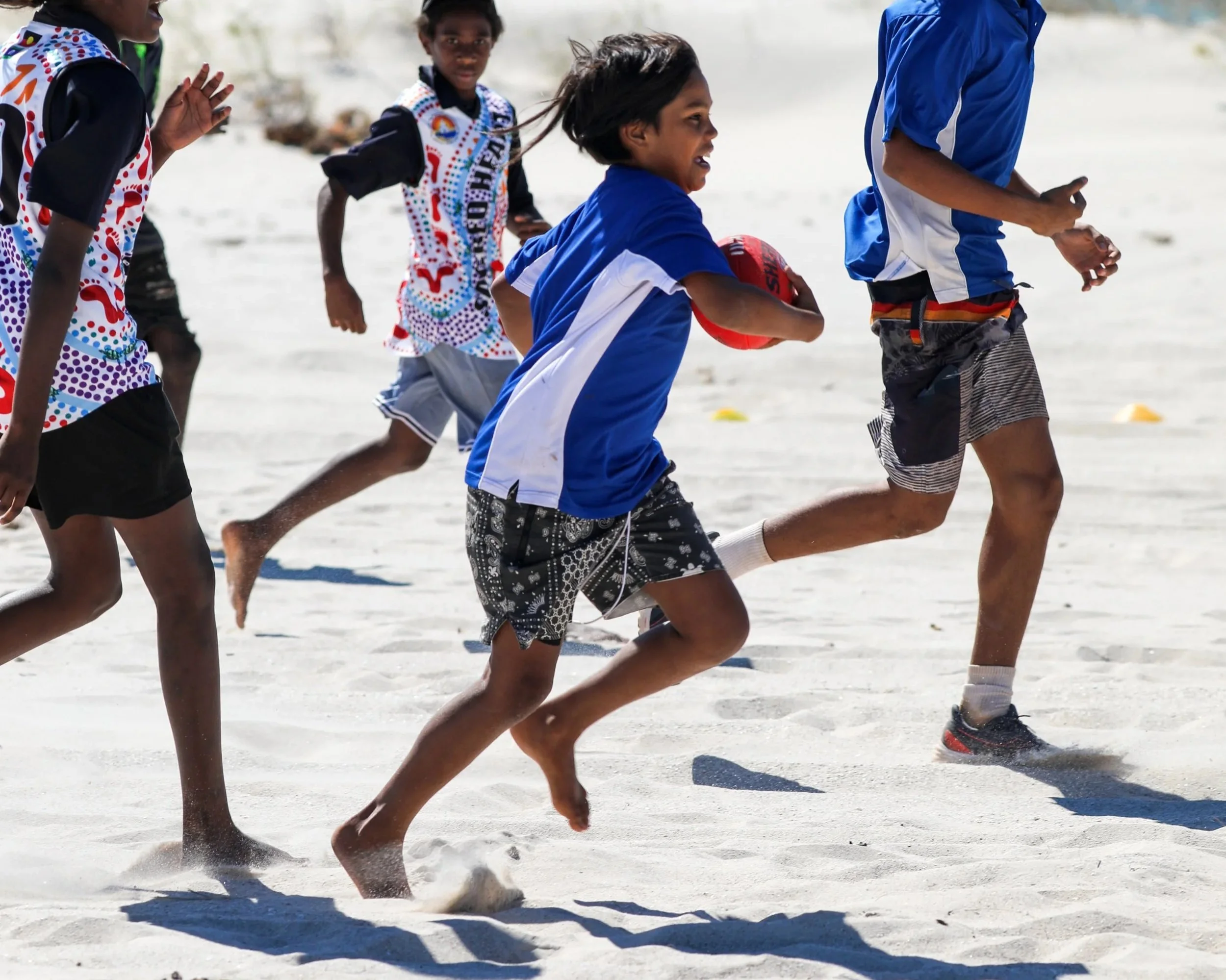
Under the guidance of Kullarri Active Communities Coordinator, Huntar Hakim, and with Community Recreation Officers (CROs) embedded in communities like One Arm Point and Djarindjin, regular sport and recreation sessions are becoming part of everyday life. The impact goes well beyond the court.
Consistency creates opportunity
In One Arm Point, local CRO Djuan Maher works alongside community partners to deliver regular, structured sessions each week. In nearby Djarindjin, CROs Samina Manado and Belinda Sampi now lead programs three days a week, guided by term planners shaped by community interest.
For Huntar, this level of consistency is key.
“When communities have regular sessions, not just one session a fortnight, it changes everything,” she said.
“Kids aren’t bored. They have something to do. They have an outlet.”
Regular delivery builds routine. Routine builds trust. And trust creates space for growth, leadership and pride.
A Peninsula approach, not one community at a time
Rather than treating each community in isolation, Huntar has taken a Peninsula-wide approach, recognising how communities complement each other while having different needs and strengths.
“If each community has strong CROs and regular programming, they can become self-sustaining,” she said.
“Whether that’s sport, arts, school engagement or other activities, there’s always something happening.”
This approach allows communities to support one another, share ideas and strengthen participation across the region. It also allows Garnduwa staff to plan beyond delivery, creating opportunities for connection through events, camps and shared experiences.
Growing leaders, not just programs
A major focus of Huntar’s work is developing her CRO team as leaders.
“Having two CROs in each community would allow us to build real team environments,” she said.
“It would also give us time to work on personal development plans with each CRO.”
Those plans might include training in mental health, leadership development or formal qualifications such as a Certificate III in Sport and Recreation. The goal is not just strong sessions today, but strong leaders for the future.
“We want to support CROs to grow in the areas they’re interested in,” Huntar said.
“That growth flows back into the community.”
Community ownership in action
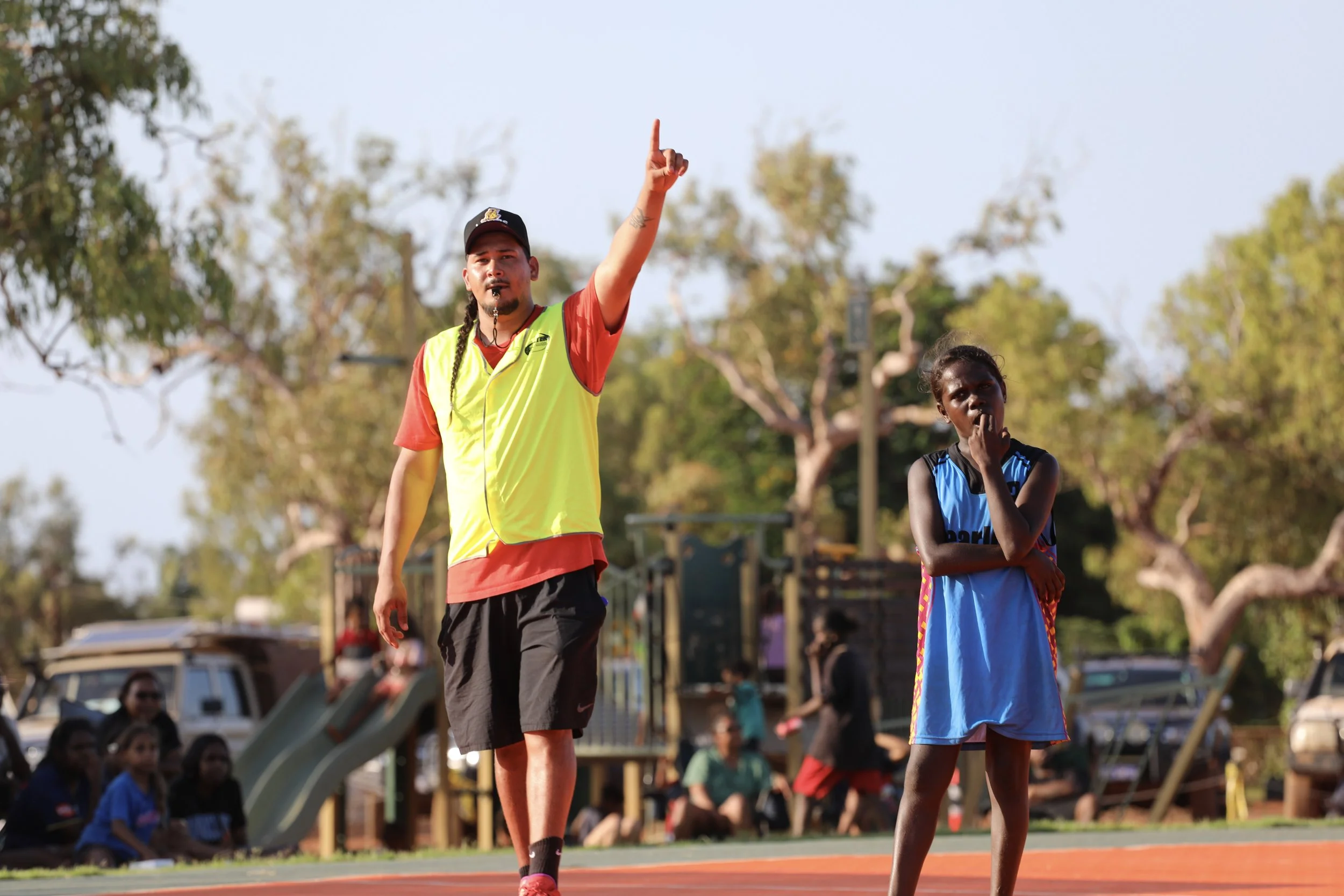
The impact is already visible. Attendance has remained steady in One Arm Point, and participation in Djarindjin has grown since Samina and Belinda stepped into their roles. Families are more present. Young people are helping with setup and pack-down. Community members are putting their hands up to support delivery.
These are small moments that signal something bigger: ownership.
A model for the wider Kimberley
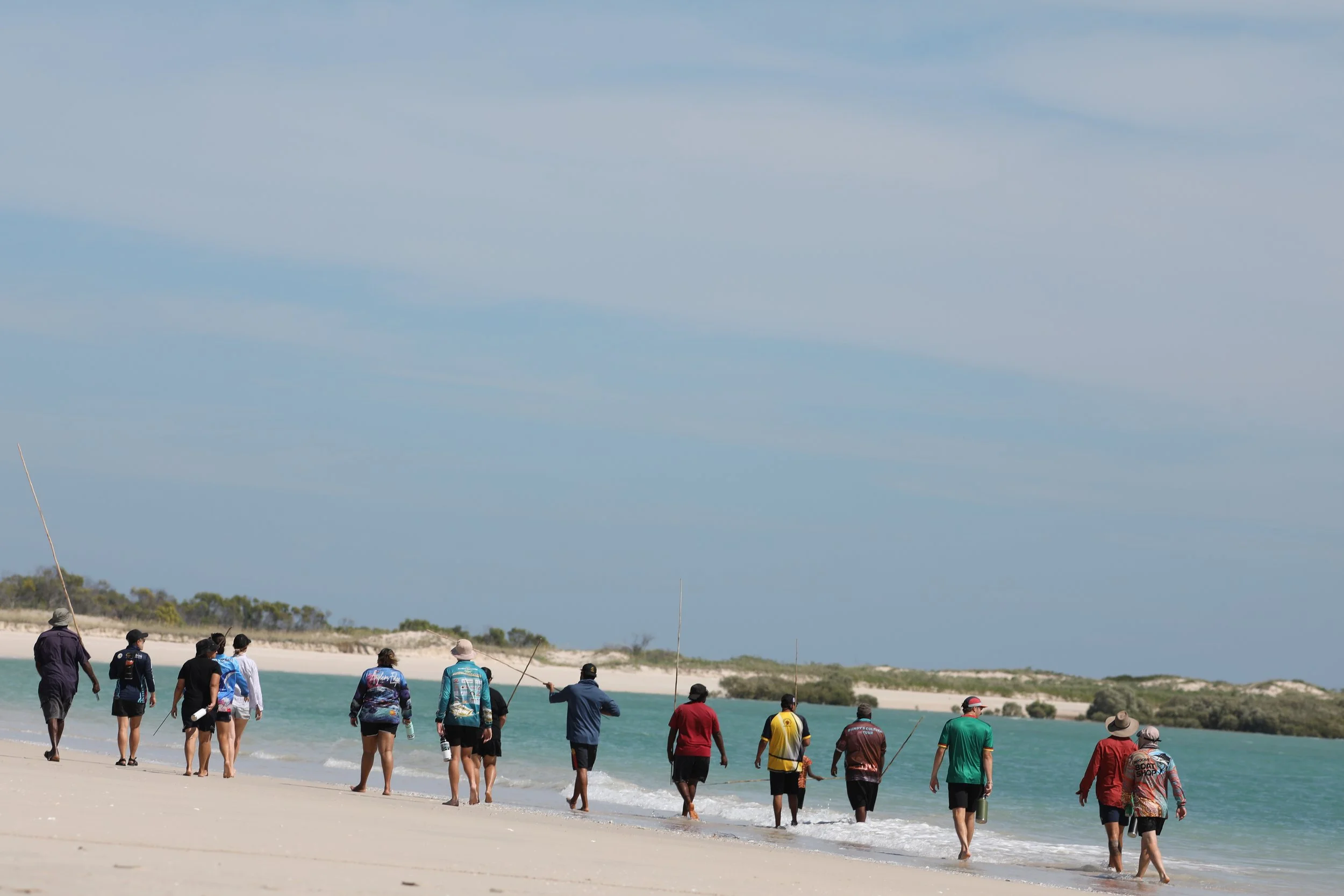
What is emerging on the Peninsula is a model that reflects Garnduwa’s values in action. Culture is respected. Community leads. Leadership is grown locally.
By investing in people, routines and relationships, Garnduwa is supporting communities to move toward self-sustaining sport and recreation environments where young people have opportunities every day, not just occasionally.
As Huntar puts it:
“When there’s always something to do, when people feel supported and confident, communities thrive.”